

Hear from Our Customers
You can’t fix what you can’t see. That’s the problem with mold in Roelofs homes—it grows behind drywall, under flooring, inside HVAC systems. You smell something musty, or maybe someone in your house can’t stop coughing, but you don’t know where it’s coming from or how bad it is.
Professional mold testing gives you answers. We inspect the obvious spots and the hidden ones—attics, basements, behind appliances, inside wall cavities. We take air samples and surface samples, then send them to a certified lab to identify exactly what type of mold you’re dealing with. Black mold, Penicillium, Aspergillus—each one behaves differently and requires a different approach.
Once you know what’s there, you can make informed decisions. Whether that means targeted removal, fixing a moisture problem, or just monitoring a small area. No guessing. No unnecessary work. Just clear information about what’s happening in your home and what needs to happen next.
We’ve been serving Bucks County for nearly two decades. We’ve tested hundreds of homes in Roelofs and the surrounding area, and we understand how Pennsylvania’s climate creates mold problems. The humidity, the older housing stock, the basements that were never meant to stay dry—we’ve seen it all.
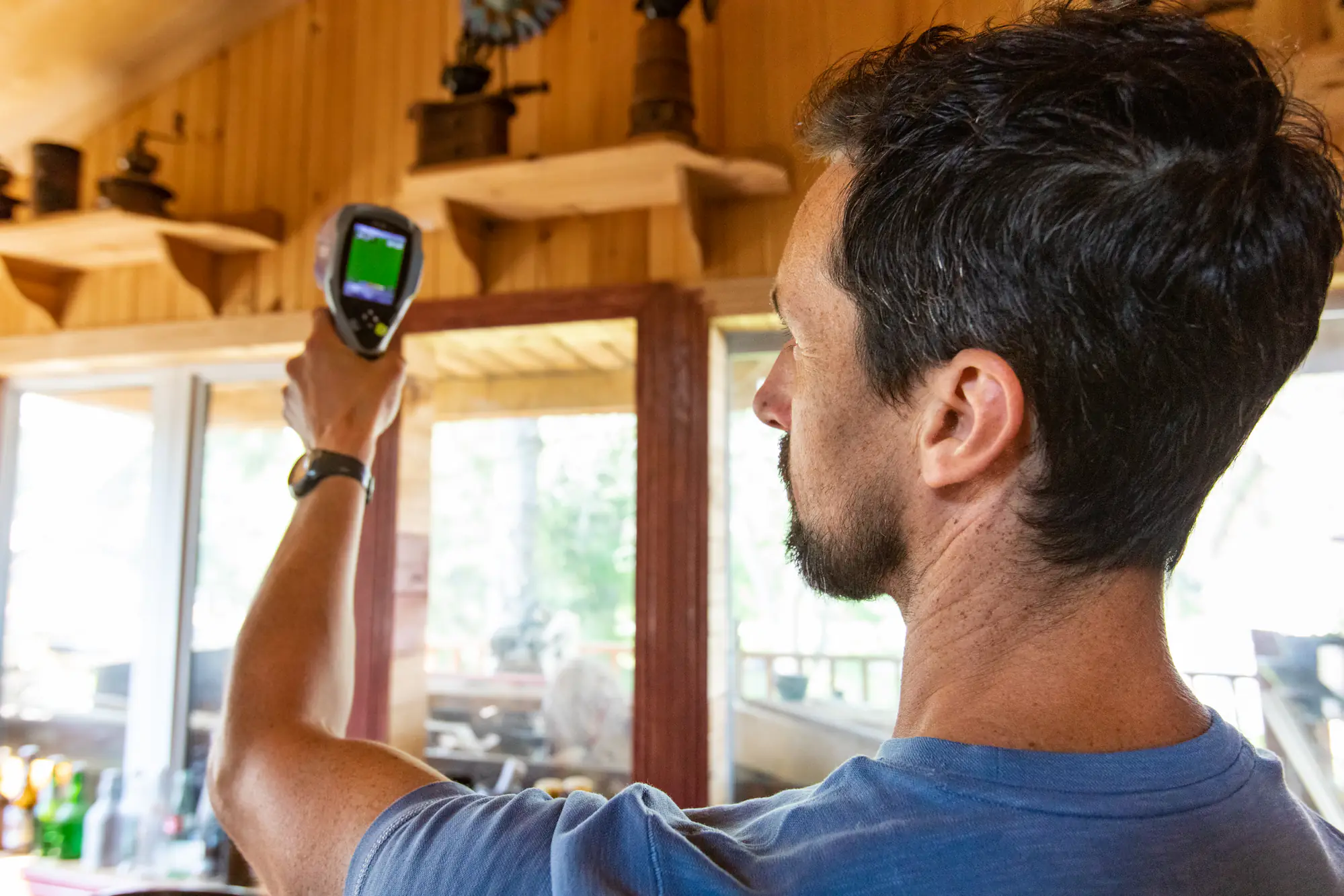
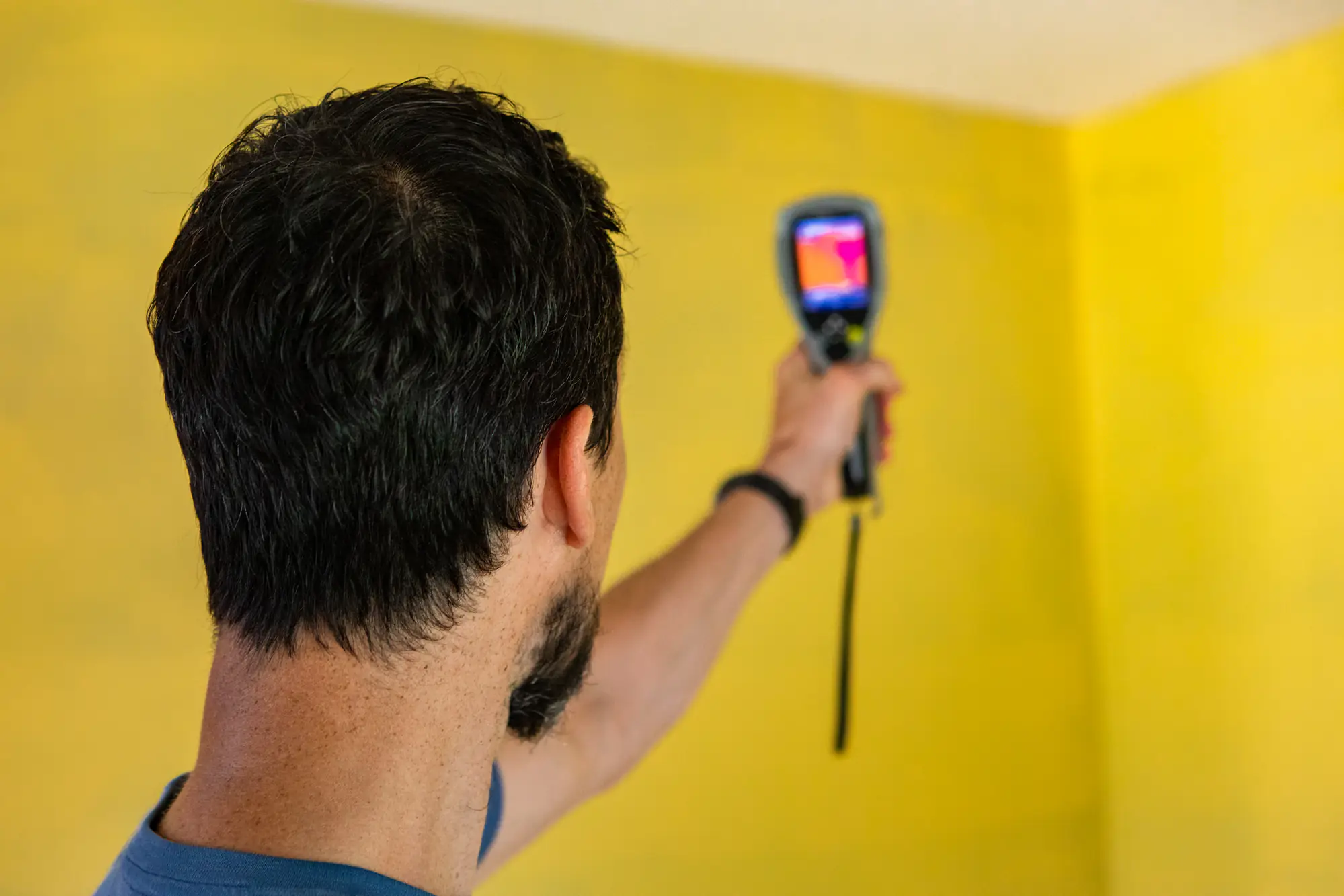
Our inspectors are certified and trained to spot mold growth patterns that most homeowners miss. We use thermal imaging cameras, moisture meters, and air sampling equipment that meets EPA standards. Every sample goes to an accredited third-party lab, so you get unbiased results you can trust.
We’re not here to upsell you on services you don’t need. We test, we report, we explain what we found in plain language. If you need remediation, we’ll tell you. If you don’t, we’ll tell you that too.
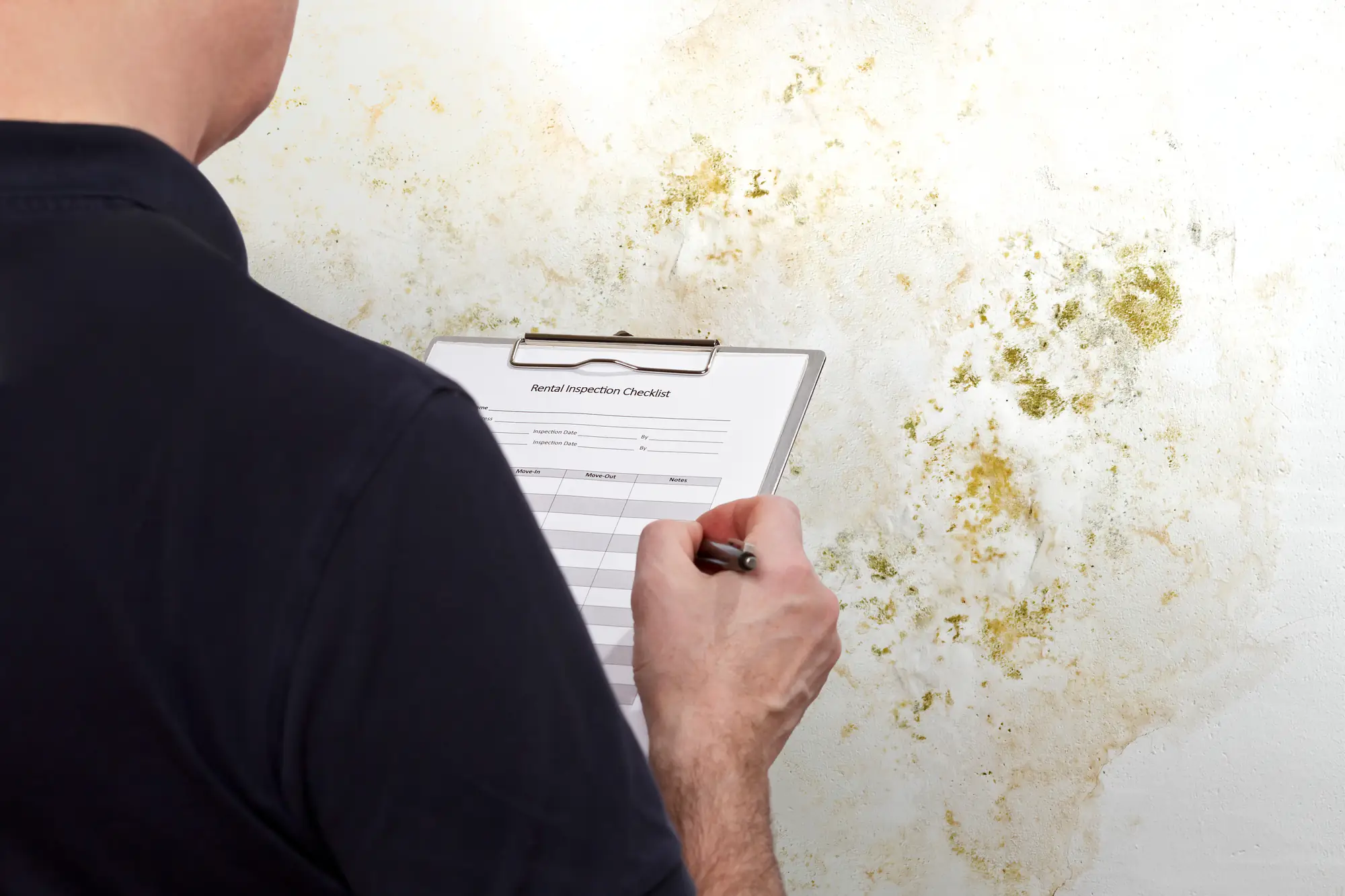
First, we do a visual inspection of your entire property. We’re looking for visible mold, water stains, condensation, poor ventilation—anything that suggests moisture problems. We check basements, crawlspaces, attics, bathrooms, kitchens, and any area where you’ve noticed issues.
Next, we take samples. Air samples measure mold spore concentration in different rooms. Surface samples collect actual mold growth from walls, floors, or other materials. We also use moisture meters to find hidden water intrusion that could be feeding mold growth behind surfaces you can’t see.
Those samples go to a certified laboratory for analysis. Within a few days, you get a detailed report that identifies the types of mold present, the concentration levels, and whether they pose health risks. We walk you through the results and explain what they mean for your specific situation.
If remediation is needed, we outline exactly what areas require treatment and why. If the issue is minor, we give you prevention strategies to keep it from getting worse. Either way, you’ll know exactly where you stand.
Ready to get started?
Every residential mold testing service we provide includes a thorough visual inspection of your home’s interior and exterior. We examine areas where mold commonly grows and areas where it hides. That means checking behind appliances, inside HVAC systems, under sinks, around windows, in attics, and throughout basements.
We collect air samples from multiple rooms to measure airborne mold spore levels. We also take surface samples from any visible growth or suspicious areas. All samples are analyzed by an independent, accredited laboratory—not an in-house facility with a potential conflict of interest.
You receive a comprehensive written report with lab results, photos of problem areas, moisture readings, and our professional assessment. The report includes specific recommendations based on what we found. It’s detailed enough for insurance claims, real estate transactions, or legal documentation if needed.
Roelofs homes face specific challenges. Many properties here were built decades ago with minimal vapor barriers and poor ventilation. Pennsylvania’s precipitation has increased 5-10% in recent years, which means more moisture working its way into crawlspaces and basements. We account for these local factors when we inspect your property and interpret your results.
Most residential mold testing in Roelofs runs between $300 and $600, depending on your home’s size and how many samples we need to collect. A typical inspection for a single-family home with 2-3 air samples and 1-2 surface samples usually falls around $400.
The price includes the visual inspection, sample collection, laboratory analysis, and a detailed written report. If you need testing in hard-to-reach areas like crawlspaces or require additional samples from multiple floors, the cost goes up slightly. We give you an exact quote before we start, so there are no surprises.
Some companies offer free inspections, but they often make their money on remediation services, which can create a conflict of interest. We charge for testing because it ensures our assessment stays objective. You’re paying for accurate information, not a sales pitch.
DIY mold test kits from hardware stores can tell you if mold spores are present, but they can’t tell you much beyond that. They don’t measure concentration levels, identify specific mold types, or pinpoint where the mold is actually growing. Plus, mold spores exist in every home—what matters is the type and amount.
Professional mold testing uses calibrated equipment to collect samples from specific locations. We measure spore counts in the air and identify the exact species of mold present. That information determines whether you’re dealing with common household mold or something more serious like Stachybotrys (black mold) that requires immediate attention.
We also find the source. A DIY kit might confirm mold exists, but it won’t tell you that moisture is seeping through your foundation or that your bathroom exhaust fan is venting into your attic instead of outside. Professional testing identifies both the mold and the conditions causing it, which is what you actually need to solve the problem.
The on-site inspection and sample collection usually takes 1-2 hours for an average-sized home. We can often schedule your inspection within 24-48 hours of your call, and we offer same-day emergency testing if you’re dealing with an urgent situation like a major water leak or health symptoms.
Lab results typically come back in 3-5 business days. Some labs offer rush processing for an additional fee if you need results faster for a real estate closing or insurance claim deadline. Once we receive the lab report, we contact you to schedule a time to review the findings.
We don’t just email you a report and disappear. We walk you through the results, explain what each section means, answer your questions, and discuss next steps. If remediation is necessary, we provide a separate detailed estimate for that work. If the results show low mold levels that don’t require professional removal, we explain how to monitor the situation and prevent it from worsening.
If you can see significant mold growth, you already know you have a problem that needs remediation. Testing might seem unnecessary at that point. However, there are still good reasons to test even when mold is visible.
First, testing identifies the specific type of mold. Some molds are relatively harmless, while others like Stachybotrys produce mycotoxins that pose serious health risks. Knowing what you’re dealing with helps determine the appropriate safety precautions during removal and whether occupants should temporarily relocate.
Second, testing reveals whether mold is growing in other areas you can’t see. Visible mold in your bathroom might be just one symptom of a larger moisture problem affecting your walls or subfloor. Air sampling throughout your home shows whether spores have spread to other rooms, which affects the scope of remediation needed.
Third, testing provides documentation. If you’re filing an insurance claim, selling your home, or dealing with a landlord-tenant dispute, professional test results carry more weight than photos of visible mold. The lab report gives you objective evidence of what existed before remediation and proof that the problem was properly resolved afterward.
Aspergillus and Penicillium are the most common molds we find in Roelofs homes. They thrive in damp conditions and often grow on water-damaged drywall, ceiling tiles, and insulation. Most people tolerate low levels without symptoms, but higher concentrations can trigger allergies and respiratory issues, especially in children and people with asthma.
Cladosporium is another frequent find. It grows on both warm and cool surfaces, which is why you’ll see it on bathroom tiles, around windows, and in HVAC systems. It’s usually less problematic than other types, but it still indicates excess moisture that needs addressing.
Stachybotrys chartarum—the infamous black mold—is less common but more concerning when it appears. It requires consistently wet conditions to grow, so we typically find it after significant water damage from leaks or flooding. It produces mycotoxins that can cause serious health effects with prolonged exposure, which is why it requires professional remediation with proper containment.
Pennsylvania’s increased precipitation and Bucks County’s older housing stock create ideal conditions for all these molds. Many Roelofs homes have basements with minimal waterproofing, inadequate ventilation in bathrooms, and aging roofs that allow moisture intrusion. Testing identifies which molds are present and how extensively they’ve colonized your home.
It depends on what caused the mold. Most homeowners insurance policies cover mold remediation if it resulted from a covered peril like a burst pipe, storm damage, or appliance malfunction—as long as you address it promptly. If mold developed from long-term neglect, poor maintenance, or chronic moisture problems you ignored, insurance typically won’t cover it.
The key is timing and documentation. Insurance companies want to see that you acted quickly when you discovered water damage. If your washing machine hose burst and caused mold growth within a few days, that’s usually covered. If you’ve had a slow leak under your sink for months that you never fixed, that’s considered a maintenance issue.
Professional mold testing helps with insurance claims because it provides the documentation adjusters require. The lab report proves what type of mold existed, where it was located, and the concentration levels. This evidence supports your claim and helps ensure you receive appropriate coverage for remediation costs.
We work with insurance companies regularly and understand what documentation they need. We can provide detailed reports, photos, and estimates formatted for claims submission. Some policies have specific limits on mold coverage—often $10,000 or less—so it’s worth checking your policy details before assuming full coverage.
Other Services we provide in Roelofs